Rapid Support Forces Establish Rival Government as Sudan’s War Spirals

Terrorism Monitor

Jamestown Foundation, Washington DC

November 20, 2025

Executive Summary:

  • The Rapid Support Forces’ (RSF) capture of al-Fashir, accompanied by exterminatory extrajudicial killings after an 18-month siege, represents the militia’s most significant territorial victory to date and accelerates the effective partition of Sudan.
  • With control over most of Darfur and parts of Kordofan and Blue Nile, the RSF is consolidating a parallel “Tasis State,” seeking external legitimacy despite its reliance on predatory militias and systematic abuses.
  • The Sudanese Armed Forces–Transitional Sovereignty Council (SAF–TSC) coalition remains internally divided and constrained by Islamist-aligned networks, leaving both major coalitions dependent on abusive partners and limiting prospects for a negotiated national political settlement.

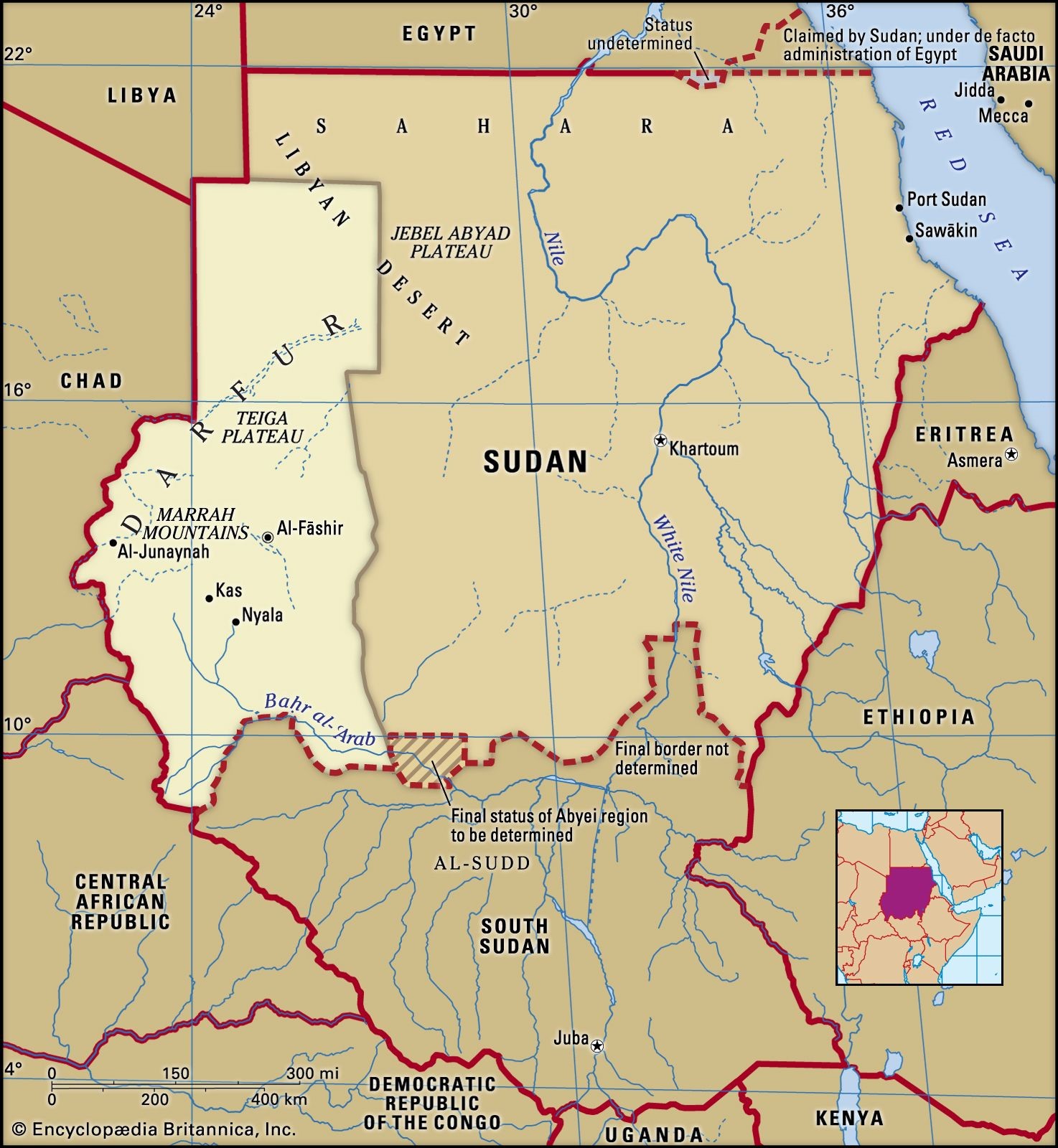
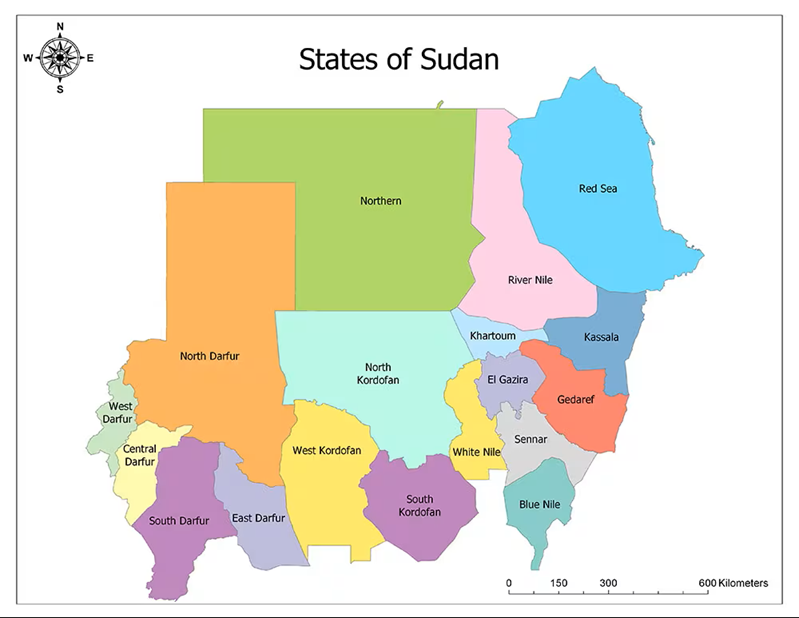
Until 2005, Sudan was Africa’s largest country by territory size. After 22 years of civil war, South Sudan separated, taking the nation’s oil wealth and roughly one-third of its territory with it. Today, after two-and-one-half years of a new civil war, the rebel Rapid Support Forces (RSF) declared its intention on July 2 to form a new state, splitting the country once again. Though the RSF’s stated intention is to form a new government for all Sudan, it is in reality now focusing on consolidating its control of the western provinces of Kordofan and Darfur, having been ejected from Khartoum and the central region of al-Jazirah by the Sudan Armed Forces (SAF) and its allies.

(Maprr)

The initiative is designed to provide legitimacy and access to aid and arms for a paramilitary accused of genocide, ethnic cleansing, looting, destruction of cultural institutions, sexual violence, war crimes and widespread atrocities.

The Battle for al-Fashir

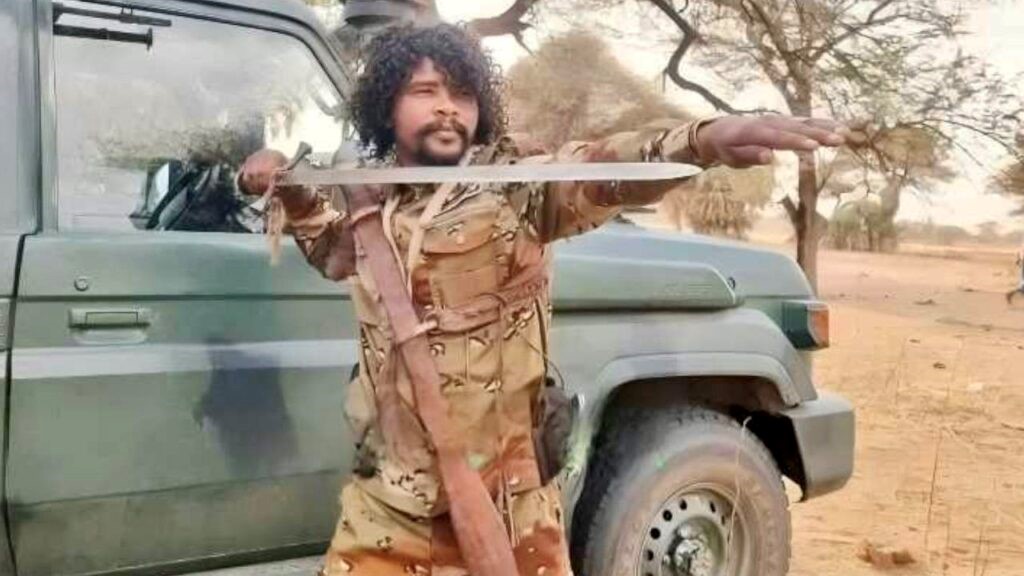
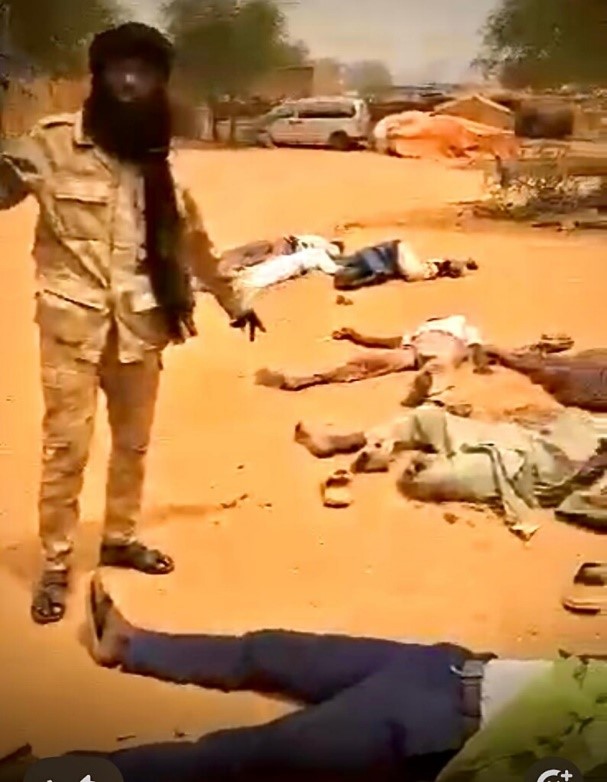
RSF Fighter with Dead Civilians

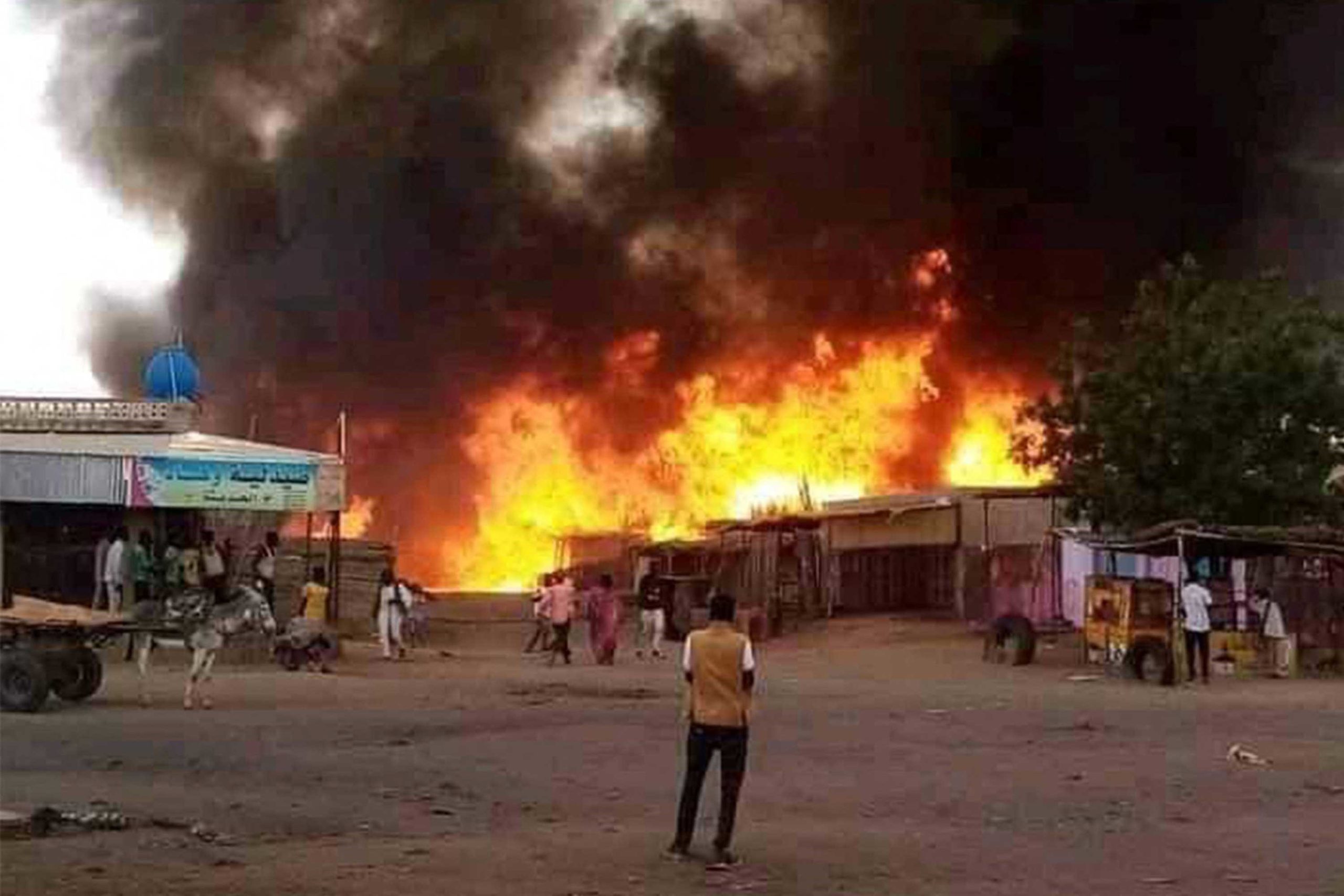
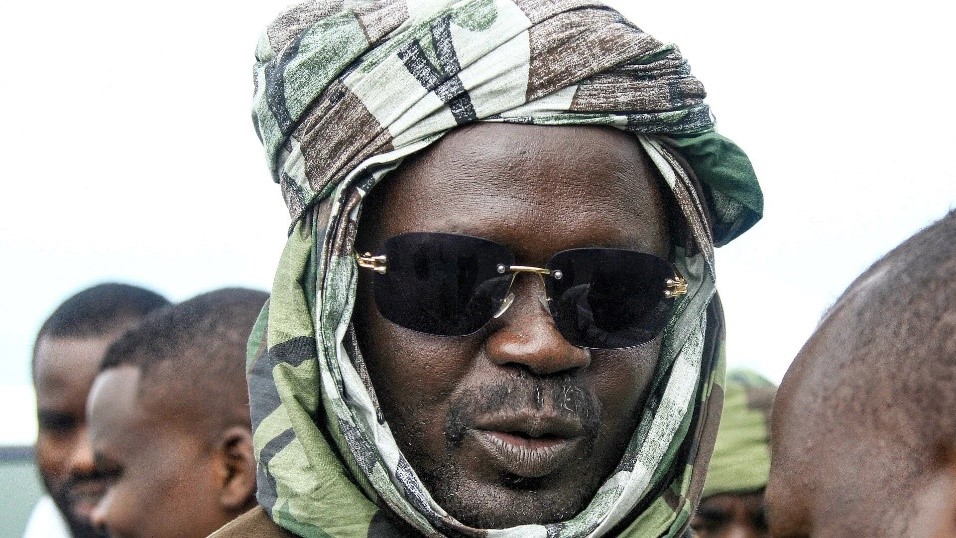
Crucial to the establishment of a new RSF state based largely in western Sudan is the seizure and occupation of al-Fashir, the traditional capital of Darfur since its founding in the late 18th century as capital of the Fur Sultanate. After an 18-month siege, the city was taken by the RSF on October 27, when the movement overran the SAF’s 6th Infantry Division and elements of the Sudan Liberation Movement-MM led by Darfur Governor Minni Arko Minawi (now resident in Port Sudan). Taking al-Fashir frees up RSF forces for the ongoing battle for neighboring Kordofan region and solidifies its control of Darfur (Mada Masr, July 11).

Minni Arko Minawi, Governor of Darfur and Leader of the SLA-MM

The entry of RSF forces was followed by massacres largely targeting the non-Arab population of the city that have killed at least 1500 people, including 460 patients and health workers at the Saudi Maternity Hospital (Al-Jazeera, October 30). According to the Sudan Doctors’ Network, “Hospitals in El Fasher have been transformed into human slaughterhouses” (Radio Dabanga, October 30). The atrocities appear to exceed even the dark episodes that followed the taking of al-Fashir after a siege by Mahdist forces in 1883. RSF commander Muhammad Hamdan Daglo “Hemetti” acknowledged he had “observed abuses occurring in al-Fashir” and pledged to hold RSF personnel accountable for their crimes (Sudan Tribune, October 29).

During the siege RSF constructed 68 km of 3-meter-tall sand berms alongside 3-meter-deep ditches as wide as five meters around al-Fashir to prevent escape from the siege (Radio Dabanga, September 30; Mada Masr, September 5). [1] People fleeing al-Fashir along the so-called “Road of Death” to nearby cholera-stricken Tawila were routinely deprived of all their possessions before being killed or raped as suspected supporters of the SAF. Others were forced to provide blood for wounded RSF fighters; many of these died soon after (Sudan Tribune, September 6). Those remaining in al-Fashir were reduced to eating leaves or a diminishing supply of animal feed as supplies of food, medicine and other aid were interrupted by the RSF’s siege lines (Al-Jazeera, September 4).

Palace of Sultan ‘Ali Dinar, al-Fashir (TIKA)

Earlier this year, the RSF, having already looted the Sudan National Museum in Khartoum, bombed the historical al-Fashir palace of Fur Sultan ‘Ali Dinar (1898-1916), a revered national symbol of anti-colonial resistance, but one who campaigned constantly against the western Arab tribes that now dominate the RSF (Radio Dabanga, January 22; Darfur Network for Human Rights, January 17).

South of al-Fashir, there are indications that the RSF has turned the airbase at Nyala into a base for Iranian and Chinese-designed drones capable of striking any target within Sudan (Sudan Tribune, September 29). The RSF has also made major improvements in its air-defense systems through the use of Wagner Group-supplied surface-to-air missiles capable of downing the SAF’s Turkish-made Bayraktar Akinci high-altitude, long-endurance drones, once expected to be a game-changing weapon in the struggle to relieve al-Fashir (Military Africa, September 28).

The Tasis State

A political charter to form a parallel “transitional peace government” was signed in February by the RSF, the Sudan People’s Liberation Movement – North (SPLM-N) and other armed groups (the “Tasis Alliance”) operating in western Sudan (al-Jazeera, July 28). The new state was declared on July 26 as the “Government of Peace and Unity,” but is more commonly known as “the Tasis State.” Though the new state insists it represents all parts of Sudan, in reality it can only govern those regions currently controlled in whole or part by the RSF and the SPLM-N (Darfur, parts of Kordofan and parts of Blue Nile State). For now, the Tasis capital is in Nyala (southern Darfur), but will likely be shifted to al-Fashir.

The Tasis (“Founding”) Alliance is formed from 24 armed and civil groups, including the RSF, the SPLM-N, the Beja Congress of eastern Sudan, the Rasha’ida Arab “Free Lions” of eastern Sudan, and factions of the National Umma Party (UP), Democratic Unionist Party (DUP) and the largely Zaghawa Justice and Equality Movement (JEM) (Ash Sharq al-Awsat, March 4; Sudan Tribune, January 22). To maintain a façade of ruling all Sudan, Tasis has appointed regional governors for Khartoum and the Eastern region, despite the RSF currently having no presence in these areas (Sudan Tribune, July 26; Arab Weekly, July 28).

The head of the presidential council is RSF leader Muhammad Hamdan Daglo “Hemetti”; his deputy is SPLM-N leader ‘Abd al-Aziz Hilu (see MLM, June 2012). Both attended the swearing in of the presidential council in Nyala on August 30; the ceremony site was bombed several hours later by the SAF (Mada Masr, September 5).

Tasis Prime Minister Muhammad Hassan al-Ta’aishi

As prime minister, the Darfur Arabs controlling the RSF have appointed Muhammad Hassan al-Ta’aishi, a known ally of Hemetti. The appointment has significant symbolic value with reference to the rivalry between the Baqqara (cattle-herding) Arabs of Darfur and the riverain Arabs of northern Sudan in the time of the Mahdist State (1885-1898), when the northern Arab relatives of the Mahdi, the ashraf, were repressed by the Mahdi’s successor, Khalifa ‘Abd Allahi, a member of Darfur’s Ta’aisha tribe. Sudan’s northern Arab minority has dominated Sudan since independence in 1956, and the appointment of a Ta’aishi as prime minister is a political signal understood by all Sudanese.

The RSF justifies its declaration of a new state by saying it is necessitated by an urgent need for identity documents, currency, security, medicine, healthcare and education identity documents (Mada Masr, August 16). One purpose of establishing the rival state is to establish legitimacy in talks hosted by outside parties such as the Quartet – the US, UK, UAE and Saudi Arabia (better known as “the Quad”). For now, only the UAE recognizes the RSF as a de facto authority (Mada Masr, September 28). Sudan’s government has complained to the UN about the UAE’s alleged involvement in supplying arms, logistical support and Colombian mercenaries to the RSF (AIS Special Report, June 13; Mada Masr, September 14).

The UN Security Council rejected the declaration of a rival state in Sudan, calling it “a direct threat to Sudan’s territorial integrity” (UN News, August 13). It has also been opposed by many Arab states, including Algeria, Egypt, Jordan, Qatar and Saudi Arabia (New Arab, March 6). Other opposition comes from the US and the African Union (AU), which suspended Sudan’s membership in 2021. Besides the UAE, supporters include Khalifa Haftar’s eastern Libya, Chad, Kenya, South Sudan and the Central African Republic.

THE SAF/TSC Government

The Port Sudan-based SAF/Transitional Sovereignty Council (TSC) government is making its own bid for legitimacy in the face of what it regards as exclusion from international peace efforts supported by the Quad, the UN and the AU. Declaring it will not negotiate without a declaration of its legitimacy, the SAF/TSC has also rejected all efforts to place the RSF on an equal footing and insists only a military resolution can bring peace to Sudan (Mada Masr, September 20).

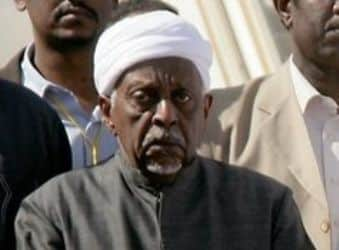
Finance Minister and JEM leader Dr. Jibril Ibrahim (Akhbar al-Sudan/Facebook)

On May 19, Kamil al-Tayib Idris, with doctorates in international relations and international law, was appointed Sudan’s first civilian prime minister since 2022 by General ‘Abd al-Fatah al-Burhan, head of the SAF and chair of the TSC. Shortly afterward, the new PM tried to expel two powerful former rebel leaders from the TSC cabinet, JEM’s Dr. Jibril Ibrahim (minister of finance) and Darfur governor Minni Arko Minawi, but was quickly overruled by al- Burhan, who doubtless has no desire to see these leaders and their valuable troops depart the SAF-led coalition (Al-Jazeera, July 23). Many former rebel leaders and their subordinates gained their positions as TSC ministers under the terms of the 2020 Juba peace agreement (International Institute for Democracy and Electoral Assistance, April 21, 2021).

Traditional Parties Divided

The National Umma Party (NUP) is the political arm of Sudan’s neo-Mahdist movement and has been a strong, western-based political force in Sudan since independence under the leadership of various descendants of its founder ‘Abd al-Rahman al-Mahdi, the posthumous son of Muhammad Ahmad ibn ‘Abd Allah, “the Mahdi” (1843-1885). The party is currently divided, with a faction led by acting head Muhammad ‘Abd Allah al-Douma backing the Port Sudan SAF/TSC government while a faction led by Fadlallah Burma Nasir supports the RSF and the creation of a parallel Sudanese state (Sudan Tribune, July 8). Fadlallah has accepted an appointment to be speaker of the Tasis government’s legislative council.

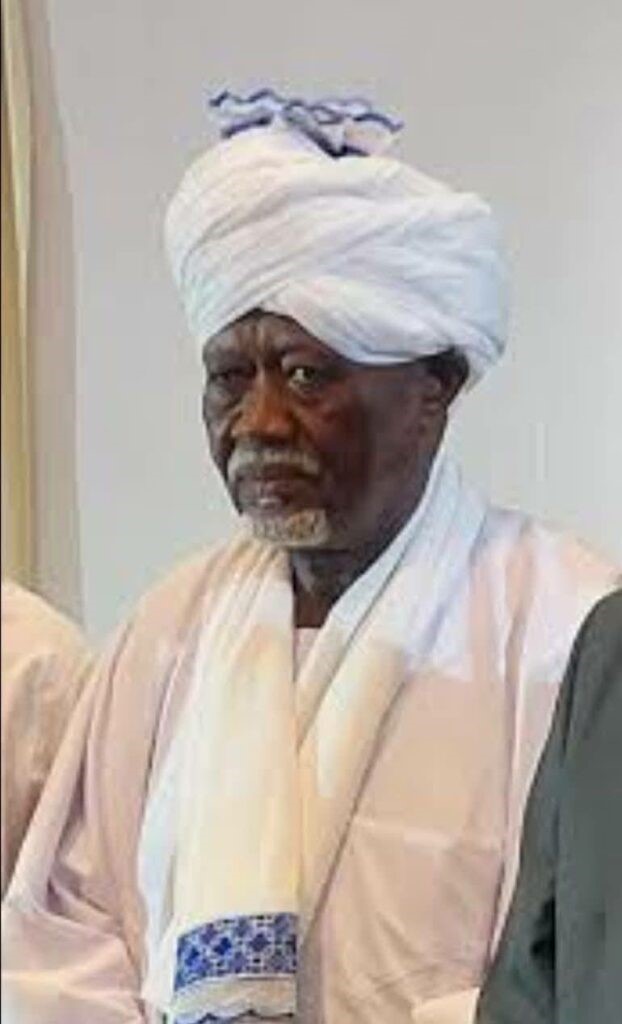
Khatmiyya Leader Muhammad ‘Uthman al-Mirghani

The NUP’s historical rival is the Democratic Unionist Party (DUP), led by Sayyid Muhammad ‘Uthman al-Mirghani, the 89-year-old leader of the historically pro-Egyptian Khatmiyya Sufi order and descendant of the order’s founder, ‘Ali al-Mirghani (1873-1968). The leadership of the DUP is in turmoil after decrees allegedly issued by Sayyid al-Mirghani on June 24 replaced the party leader’s son, Ja’afar al-Sadiq, as deputy leader with Ahmad Sa’ad Omar, a loyalist of deposed president Omar al-Bashir. Many DUP leaders allege the maneuver was the work of another of al-Mirghani’s sons, ‘Abd Allah al-Mahjub, who was taking advantage of the elderly Sufi leader, a resident of Cairo who is known for his publicly expressed support for the SAF but has little other political involvement (Sudan Tribune, June 25; Altaghyeer.info, July 8, 2024).

A faction under Ibrahim al-Mirghani, another descendant of Khatmiyya founder ‘Ali al-Mirghani, has come out in support of the RSF and the Tasis alliance. A DUP spokesman declared in February that “the presence of Ibrahim Ahmed Al-Mirghani does not represent the party in any way, and he only represents himself and the constituencies that entrusted him with the mission” (SUNA, February 20).

The Islamists Return

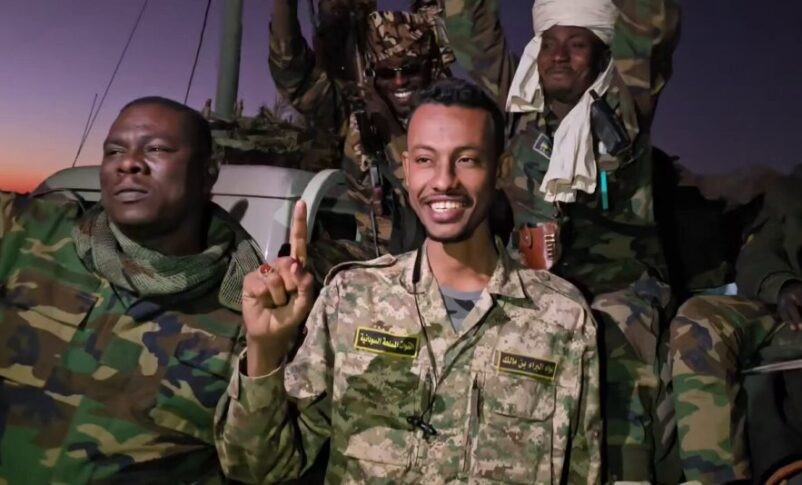
Much like the RSF-led Tasis coalition, the “official” SAF/TSC government and its armed supporters also constitute a tenuous alliance. Complicating its own search for legitimacy is the presence within the coalition of many Islamists, including veterans of the discredited military-Islamist government of Omar al-Bashir, who was deposed in 2019 and is currently wanted by the International Criminal Court (ICC) on charges of war crimes, torture and genocide. Islamist militias under SAF command have played a major role in the fighting, most notably the Bara’a bin Malik Brigade, tied to the Islamist National Congress Party (NCP).

Commander of the Bara’a Bin Malik Brigade, al-Misbah Abu Zaid Talha (Sudan Tribune)

The NCP, which ruled Sudan from 1998 to 2019, is currently led by Ahmad Harun (also wanted by the ICC on charges of war crimes and genocide in Darfur). Harun believes Western political models are inappropriate for Sudan and that there must be a political role for the army, but insists the Islamists will wait to seek power via the ballot box after the war’s conclusion  (Sudan Tribune, July 25; Arab Weekly, July 26).

The RSF is strongly opposed to a political return by the Islamists, blaming them for initiating the current conflict (Sudan Tribune, July 25). Tasis prime minister Muhammad Hassan al-Ta’aishi explained in an interview that General al-Burhan has “benefited from the Islamists’ infiltration of the military establishment” and that he “became the general who served the Islamists most after the [2019] revolution” (Assayha, October 16). The Tasis alliance has declared they will dissolve all Islamist militias affiliated with the NCP after they take control of Sudan (Ash Sharq al-Awsat, March 4).

Conclusion

The problem is that there are not two groups fighting for power in Sudan, but many, who have flocked to one or the other of the major coalitions (RSF and SAF) to further their own interests, even when that has meant splitting existing movements. In turn, the leaders of the major coalitions have become beholden to unreliable partners who have a track record of opportunism. In this situation, a victory by either side may mark not the end of the conflict, but only the starting point of a new one.

Most international support (however unenthusiastic) tends to line up behind the SAF/TSC as the default successor to the line of recognized Sudanese governments. However, the civilian leaders in the TSC are in thrall to the military members of the TSC, particularly TSC chairman General al-Burhan. While many civilian members reject a return to the political Islamism of the era of President Omar al-Bashir, they must contend with the fact that the northern Arab generals of the SAF are precisely those that survived the frequent purges of non-Islamist officers during the Bashir regime.

The RSF’s new Tasis State is not without its own international support, but these backers remain focused on what can be gained by supporting a paramilitary (led by Darfur Arabs) that has adopted a veneer of statehood to cloak the fact it is manifestly incapable of running anything resembling a 21st century administration with any other objective than the personal enrichment of its leadership. The inability of both RSF and SAF commanders to envision the possibility of a Sudanese nation led by a member of Sudan’s non-Arab majority guarantees further rounds of combat focused on the pursuit of ethnic-based power sharing.

On the battlefield, ongoing atrocities by both the SAF and the RSF mean there is little to choose between them in a humanitarian sense. Beyond the deliberate destruction of national infrastructure (much of which is the now ruined and irreplaceable legacy of the brief days of oil wealth before the separation of South Sudan), a recent UN report entitled “A War of Atrocities” found both side guilty of adopting a brutal approach to achieving their attainment of power: “Both sides have deliberately targeted civilians through attacks, summary executions, arbitrary detention, torture, and inhuman treatment in detention facilities, including denial of food, sanitation, and medical care. These are not accidental tragedies but deliberate strategies amounting to war crimes” (UN Human Rights Council, September 5). Ultimately, the division of Sudan into two dysfunctional states rather than one cannot offer the Sudanese people the prospect of stability or prosperity.

Note

  1. “Special Report: No Safe Haven: Bombardment of Abu Shouk IDP Camp and El-Fasher’s Increasing Berm Encirclement,” September 11, 2025, https://files-profile.medicine.yale.edu/documents/e3d32307-89f9-4573-8c87-fc7d15239a9f


Iran’s Red Sea Strategy Amid the RSF–SAF Fratricidal War in Sudan

Andrew McGregor

Terrorism Monitor 22(11), Jamestown Foundation, Washington DC

December 11, 2024

Executive Summary:

  • Iran is supplying the Sudan Armed Forces (SAF) of General Abd al-Fatah al-Burhan with drones and other weaponry in its struggle against the rebel Rapid Support Forces (RSF) led by General Hamdan Daglo “Hemetti.” This has given rise to concerns that Tehran desires to establish a naval facility in Sudan.
  • In combination with the Iran-friendly Houthi movement in Yemen, such a base would offer a point from which Iran could further threaten Red Sea shipping as well as the main maritime entry point for Muslims making the pilgrimage to Mecca and Medina.
  • Iran–Sudan relations have fluctuated over the last several decades, especially since the overthrow of President Omar al-Bashir. In particular, tensions stemming from Sudan’s Sunni-majority population and Iran’s promotion of Shi’ism tend to place a limit on Tehran–Khartoum ties.
  • Despite official denials, Iran is suspected of either attempting to establish a naval facility on Sudan’s Red Sea coast or gain access to preexisting ports there given the strategic advantages offered by doing so. Doing so may represent a bridge too far for U.S.–Sudan relations, which Khartoum has spent years working to improve.

A supporter of the Palestinian cause since the Islamic Revolution of 1979, Iran has adopted an aggressive stance in response to Israel’s offensive on Gaza. As part of a strategy to assert itself regionally, Tehran has taken advantage of its proximity to the Red Sea, one of the world’s most important trade conduits, to apply pressure on Israel and its Western backers. With the Iran-friendly Houthi movement in Yemen installed near the narrow Bab al-Mandab Strait at the southern end of the Red Sea, Iran is taking a new interest in Sudan and its 465-mile Red Sea coastline. To this end, Tehran is supplying the Sudan Armed Forces (SAF) of General Abd al-Fatah al-Burhan with potentially game-changing weaponry in its struggle against the rebel Rapid Support Forces (RSF) led by General Hamdan Daglo “Hemetti.” This raises two questions: What does Tehran want in return? And is it likely to get it?

Sudan’s Relations with Iran

In the 1990s, Iran enjoyed a close relationship with the Islamist military regime of President Omar al-Bashir. He welcomed Iranian technical and diplomatic support in his effort to create a more Islamic state and defeat South Sudanese separatists. Many of the Islamists who were ejected from power after al-Bashir’s overthrow in 2019 now support General al-Burhan’s SAF.

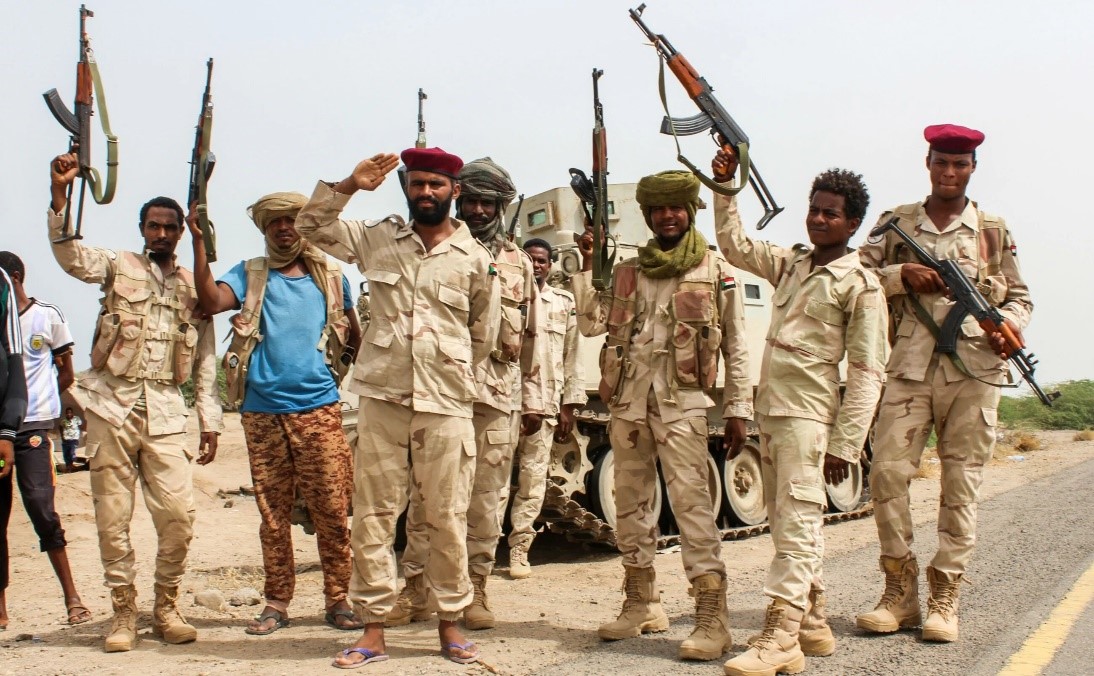
Relations with Iran were cut in January 2016 when Khartoum sided with Saudi Arabia after a mob attacked the Saudi embassy in Tehran in reaction to the execution of top Saudi Shi’ite cleric Sheikh Nimr Baqir al-Nimr and 46 others on January 2, 2016 (Press TV [Tehran], February 5). Al-Bashir’s government then turned to Iran’s Arab rivals in the Gulf states for support. During this time, Sudanese troops (mostly RSF) fought alongside Saudi forces against the Iranian-backed Houthi movement in Yemen.

Sudanese Troops in Yemen (AFP)

The centuries-old Sunni–Shi’ite religious divide complicates relations between Sunni Sudan and Shi’ite Iran. After al-Bashir downgraded relations with Iran in 2014, he made it clear the move was made in reaction to alleged attempts by Iranian diplomats to spread Shi’ism in Sudan: “We do not know Shi’ite Islam. We are Sunnis. We have enough problems and conflicts and we do not accept introducing a new element of conflict in Sudanese society” (Sudan Tribune, January 31, 2016).

A March 2023 Saudi–Iranian rapprochement brokered by Beijing allowed Khartoum to make its own move to renew relations with Tehran. The shift was welcomed at the time by Hemetti, who had risen from a minor member of the notorious Janjaweed militia to commander of the RSF paramilitary (X/@Generaldagllo, March 10, 2023). When the renewal of diplomatic relations was made official in October 2023, one of Tehran’s most immediate concerns was Sudan’s growing relationship with Israel through the U.S.-backed Abraham Accords (Sudan Tribune, October 9, 2023).

The Israel Issue in Sudan–Iran Relations

‘Ali al-Sadiq ‘Ali, Sudan’s acting minister of foreign affairs, met Iran’s late president, Ebrahim Raisi, in Tehran on February 5 to discuss their countries’ improved relationship. During the meeting, Raisi emphasized that the “criminal Zionist regime” could never be a friend to Islamic countries. Without mentioning Sudan by name, he condemned those Islamic nations that chose to pursue normalization of relations with Israel (Mehr News [Tehran], February 5).

Sudanese Foreign Minister ‘Ali al-Sadiq ‘Ali (Osman Bakır – Anadolu Agency)

Following a law implemented in 1958, Sudanese leaders were forbidden from normalizing relations with Israel. The upheavals that followed the overthrow of President al-Bashir in 2019 provided an opening for the United States to bring Sudan into the Abraham Accords in exchange for a long-desired removal of American sanctions on Sudan. A member of Sudan’s ruling Sovereign Council, Admiral Ibrahim Jaber, rejected suggestions that relations with Iran spelled an end to the Accord, claiming that renewed relations with Iran would not affect diplomatic normalization with Israel: “We will pursue normalization when it benefits us and refrain from it otherwise” (Sudan Tribune, March 24).

On February 2, 2023, Sudan and Israel finalized a deal to normalize relations. Israel hoped the deal would facilitate the deportation of Sudanese asylum seekers, but the outbreak of hostilities in Sudan in mid-April 2023 put further developments in this area on hold (Haaretz, February 3, 2020). If Sudan grows closer to Iran, its commitment to the Abraham Accords—which were half-hearted at best, even before the Gaza offensive—is likely to wither on the vine.

Iran and al-Burhan

Iran’s support for al-Burhan and the SAF is assisted by the Sudanese army’s solidly Islamist officer corps (the result of repeated purges) and the backing of Islamist militias and leaders from the al-Bashir regime connected to the SAF. Despite the Sunni–Shi’a divide, Sudan’s Islamists have a long record of cooperation with Tehran. These ties in the past included Iranian military training for Sudan’s Popular Defense Forces. [1]

In return for arms, Iran will likely demand that Sudan cut its already damaged ties with Israel and abandon the Abraham Accords entirely. Israel has a long history of encouraging and arming conflicts within Sudan as a response to the opposition of successive regimes in Khartoum. In this tradition, acting foreign minister ‘Ali al-Sadiq ‘Ali blamed Israel for encouraging the RSF during a January visit to Tehran (Press TV [Tehran], January 20). Sudanese officials have also suggested that Washington step in to halt the United Arab Emirates’ (UAE) military support for the RSF before criticizing the SAF’s ties to Iran (Sudan Tribune, February 3).

Though relations between the UAE and Iran have shown signs of improvement over the last year, the issue of Sudan remains a point of contention, with the UAE being accused of providing weapons and financial support to the RSF. [2]

Iranian Drones and the Resurgence of the SAF

Wad al-Bashir Bridge, Omdurman (Sudan Tribune)

In March, coordinated tactics using drones, artillery, and infantry enabled the SAF to retake the old city area of Omdurman, the national radio and television headquarters, and the Wad al-Bashir Bridge, which is a vital supply link for the RSF. The success of this offensive is believed to be partly due to the arrival of modern Iranian drones (Al Jazeera, March 12; Radio Dabanga, March 17). The drones, which are also used to direct artillery strikes, operate out of the Wadi Sayidna base north of Omdurman. The RSF claims that the SAF receives air deliveries of Iranian drones twice a week out of Port Sudan (Reuters, April 10).

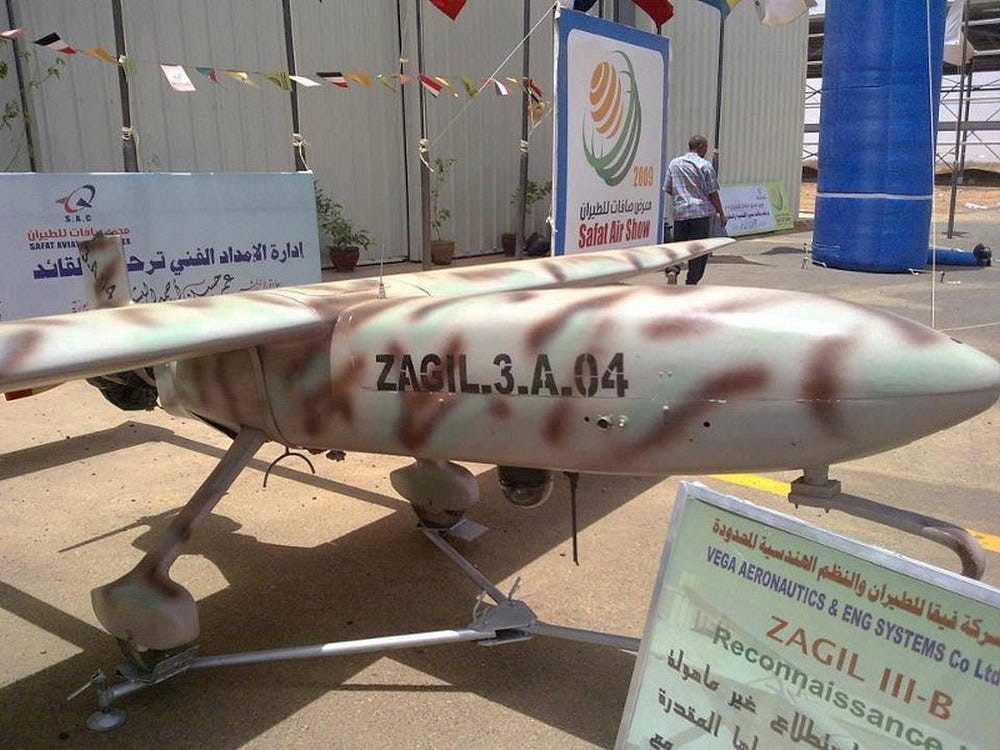
Iran began supplying unmanned aerial vehicles (UAVs) to Sudan in 2008. This allowed the SAF to build a small arsenal of Ababil-3 drones, which have capabilities useful in the type of urban warfare common to the ongoing Sudanese conflict. Sudan also produces its own copy of the Ababil-3, known as the Zagil-3. Iranian Mohajer-class drones are also used by the SAF, with the latest in the series, the Mohajer-6, providing game-changing capabilities, including an arms payload of up to 150 kg (Military Africa, April 20, 2023).

Sudanese Zagil-3 Drone – variant of the Iranian Ababil-3 (Skyscrapercity.com)

First produced in 2018, the Mohajer-6 has a relatively low ceiling of 3.4 miles, which makes it vulnerable to anti-aircraft defenses. The drone has seen extensive use by Russia in its latest war against Ukraine. In mid-January, the RSF claimed to have shot down a Mohajer-6 drone in Khartoum State using a man-portable air-defense system (MANPAD) (Military Africa, January 15). The RSF released photos of another downed Mohajer-6 in Omdurman on January 28 (X/@RSFSudan, January 28; Asharq al-Awsat, January 29; Radio Dabanga, January 29). Despite these public losses, the new Iranian drones have played an important role in restoring the SAF’s military credibility.

A Red Sea Port for Iran

Citing Ahmad Hassan Muhammad, “a senior Sudanese intelligence official” and alleged advisor to General al-Burhan, the Wall Street Journal reported on March 3 that Iran had unsuccessfully pressed Sudan for permission to establish an Iranian naval port on the Red Sea in exchange for advanced weapons, drones, and a seagoing helicopter carrier (Wall Street Journal, March 3). Former Sudanese foreign minister ‘Ali al-Sadiq ‘Ali responded quickly and described the report as “incorrect,” saying “Iran has never asked Sudan to build an Iranian base. I recently visited Iran, and this was not discussed” (Sputnik [Moscow], March 4).

Other sources in Sudanese military intelligence suggested such an offer was likely never made, and its disclosure may have been a means for al-Burhan to express dissatisfaction with the lack of support the SAF has received from the international community (Asharq al-Awsat, March 4). An Iranian foreign ministry spokesman described the report as “baseless and politically motivated” (Radio Dabanga, March 5). SAF spokesman Brigadier General Nabil ‘Abd Allah refuted the claim as “absolutely untrue” and denied there was any advisor to al-Burhan bearing the name Ahmad Hassan Muhammad (Sudan Tribune, March 4).

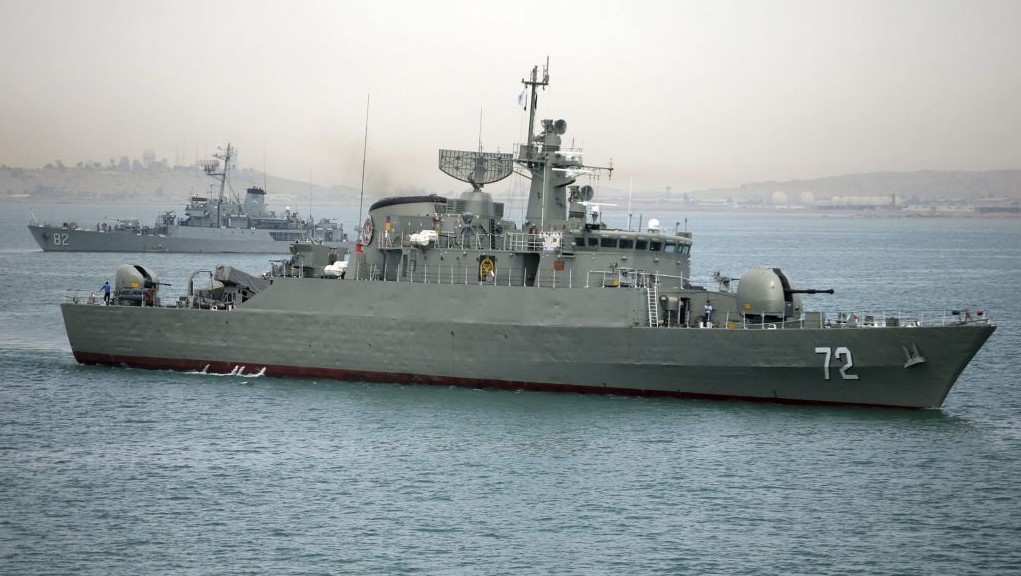
Iranian Frigate IRIS Alborz

Despite the strong denials, it would be odd if Iran had not brought up the possibility of using a port on Sudan’s Red Sea coast behind closed doors, even if Iran had not asked to build a military base. An Iranian military base or port access on the western coast of the Red Sea—combined with Iran-friendly Houthis on the eastern side of the Red Sea—would make it easier for Tehran to have an armed presence along one of the world’s most important maritime routes. Iran has also recently operated three ships in and around the Red Sea. The first, operating in the Red Sea, is the IRIS Alborz, an Alvand-class British-built frigate launched in 1969 that has since been modernized. It is accompanied by the IRIS Beshehr, a Bandar Abbas-class replenishment vessel. The third is the MV Behshad, a cargo vessel believed to operate as a spy ship for Iran in the Gulf of Aden since 2021. The Behshad was alleged to have supplied information to Houthi missile groups from the Gulf of Aden but appears to have returned to Iran in April, simultaneous with a severe drop in Houthi missile attacks (Radio Dabanga, March 5; Alma Research and Education Center [Israel], April 24).

An Iranian presence would be discouraged by Egypt, which backs the SAF and has four naval ports of its own on the Red Sea. Russia, which has long sought a naval base on Sudan’s coast, would no doubt be displeased to see its Iranian ally take precedence. Relations between Saudi Arabia and Iran remain tense, and the Saudis would not be happy to see an Iranian naval base opposite its port of Jeddah, the main maritime entry point for Muslims making the pilgrimage to Mecca and Medina. Sudan has its own concerns. As with a Russian naval base in Port Sudan, an Iranian base could attract unwanted military attention from other powers. Sudan cannot afford to have its only modern sea-based port and main inlet for trade damaged or destroyed through military action. The United States, believed to have carried out a crippling cyber-attack on the Behshad in February, would be almost certain to reimpose sanctions on Sudan should it provide a naval port to Iran.

Conclusion

Though its need for military support against the RSF is serious, Sudan’s government is likely to take a measured approach toward improving its relations with Iran. The SAF has no more public support than the RSF and is seen by many Sudanese as too deeply involved with the Islamists who wielded power in Sudan during the three decades of Omar al-Bashir’s unpopular regime. Sudan’s Islamists, proud Sunnis who are tightly tied to the transitional government, are poor candidates to become puppets of Shi’ite Iran. Sudan’s army (commanded by Sunni Islamists) is also unlikely to commit itself militarily to the pursuit of Iranian objectives. There is, of course, the possibility of an RSF victory in the ongoing struggle, but for now, the RSF has no presence in eastern Sudan and no ties to Iran.

Sudan has no interest in seeing damaging U.S. sanctions restored after spending years trying to convince Washington it is not a state sponsor of terrorism. Once the current conflict ends, Sudan will need help, not hindrance, in its reconstruction, and will need to look further than Iran for assistance. All these factors speak against the establishment of an Iranian naval facility in Sudan or a formal alliance. If, however, Iranian assistance brings about an SAF triumph, Tehran is certain to come calling for payment in some form.

Notes:

[1] Jago Salmon: A Paramilitary Revolution: The Popular Defence Forces, Small Arms Survey, Geneva, 2007, pp.17-18.

[2] Final report of the Panel of Experts on the Sudan, S/2024/65, January 15, 2024, pp. 14–15, 51–52.